
Are payment plans available in Denmark?
Ask the Denmark team for the current payment arrangements for your individual treatment plan. This page does not advertise a lender, a monthly repayment offer, interest-free credit or a no-deposit scheme. Availability and eligibility would have to be confirmed in writing before any finance application.
Your first step is a clinical assessment and a written treatment quotation in Danish kroner (DKK). The decision about whether surgery is appropriate should come before the decision about how to pay for it. Read the Denmark cost guide and deposit and payment information.
Separate the treatment price from the cost of borrowing
The treatment quotation describes the care being purchased. A credit agreement, if you independently choose one, sets out the borrowing terms. They are different documents and should both be clear before you commit.
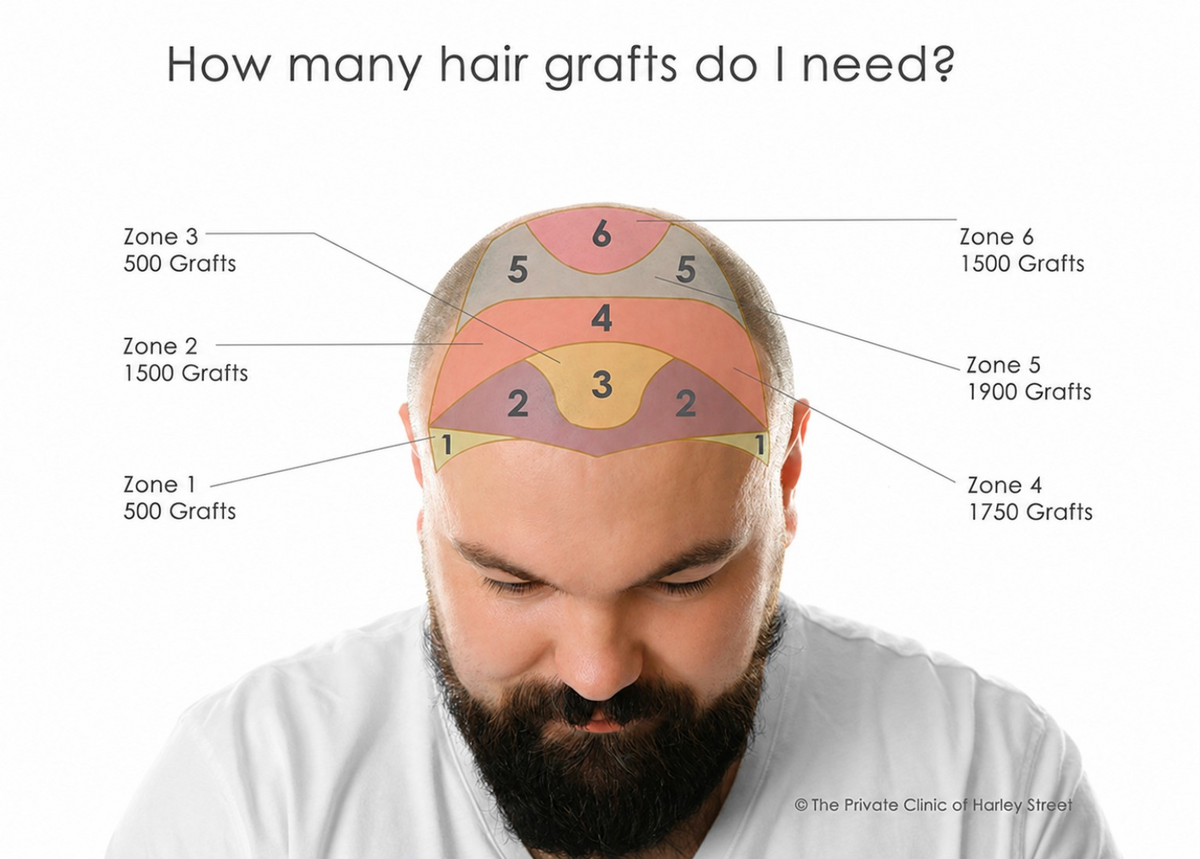
Ask the treatment provider what is included: the procedure, planned graft range, medicines or products, aftercare appointments and any optional treatments. Ask which services could be charged separately. Then ask the lender to explain the amount advanced, interest, fees and total amount you would repay.
A smaller monthly payment can result from a longer repayment period. It does not, by itself, show that the borrowing costs less. Compare proposals for the same amount and term, including the annual percentage cost (ÅOP), the total payable and all charges.
Questions to ask a credit provider
- What is the lender’s legal name and which organization regulates it?
- What amount is being borrowed, and in which currency?
- Is the rate fixed or variable?
- What are the ÅOP, total interest and fees, and total amount repayable?
- When do repayments begin and how many are required?
- What happens if a payment is late or missed?
- Can the loan be repaid early, and would a charge apply?
- What checks and documents are needed, and how could an application affect credit records?
- What withdrawal or cancellation terms apply to the credit agreement?
Get answers from the actual lender. The clinic cannot promise an external provider’s approval, rate, decision time or eligibility rules. Do not send identification or financial documents through an ordinary treatment enquiry unless a secure, appropriate process has been explained.
What if treatment is postponed or cancelled?
Ask how changes to your treatment booking interact with any separate borrowing agreement. A refund from a clinic and the cancellation or settlement of a loan may require different steps. Confirm who you would contact and obtain the relevant terms before signing.
The treatment terms should explain the deposit, balance due date, cancellation arrangements and what happens if an assessment finds you unsuitable for surgery. Do not rely on a booking offer copied from another country or another clinic.
Plan for the whole course of care
Set aside time to review your existing commitments and the full treatment budget. Include travel, accommodation if needed, time away from work and any follow-up expenses outside the quote. Keep those separate from optional products or further procedures that may be discussed later.
You can ask the clinic about waiting, saving in advance or reconsidering the timing. Clinical staging should be based on the treatment plan and donor supply; it should not be chosen simply to fit a loan. A finance approval does not establish medical suitability.
What about non-surgical treatment?
Different causes of hair loss need different assessments. A consultation can consider whether medical management, observation or another approach is more appropriate than transplantation. Each option has its own suitability, ongoing costs and limitations; a lower initial price does not make treatments interchangeable.
Patients travelling from Sweden or Norway
If you are planning care in Copenhagen from another country, confirm the currency, any currency-conversion charges and the arrangements for follow-up. Do not assume a lender’s residency conditions or your insurance cover extend to treatment abroad. Request written answers from the provider concerned.
Frequently asked questions
Does Denmark Hair Transplant Clinics offer 0% finance?
No specific 0% finance offer is advertised on this page. Ask the team for current payment information; any credit option would require separate written terms and eligibility confirmation.
Can I book with no deposit?
Do not assume a no-deposit offer applies. Check the current deposit and payment terms for your booking.
How much would the monthly payment be?
That cannot be calculated from the procedure name alone. It would depend on the individual treatment price, amount borrowed, term, interest and fees in a confirmed credit agreement.
Who should answer questions about affordability?
The lender can explain its product and assessment. If you are unsure whether borrowing is manageable, seek independent financial guidance before committing. The clinical consultation should focus on diagnosis, suitability and the care proposed.
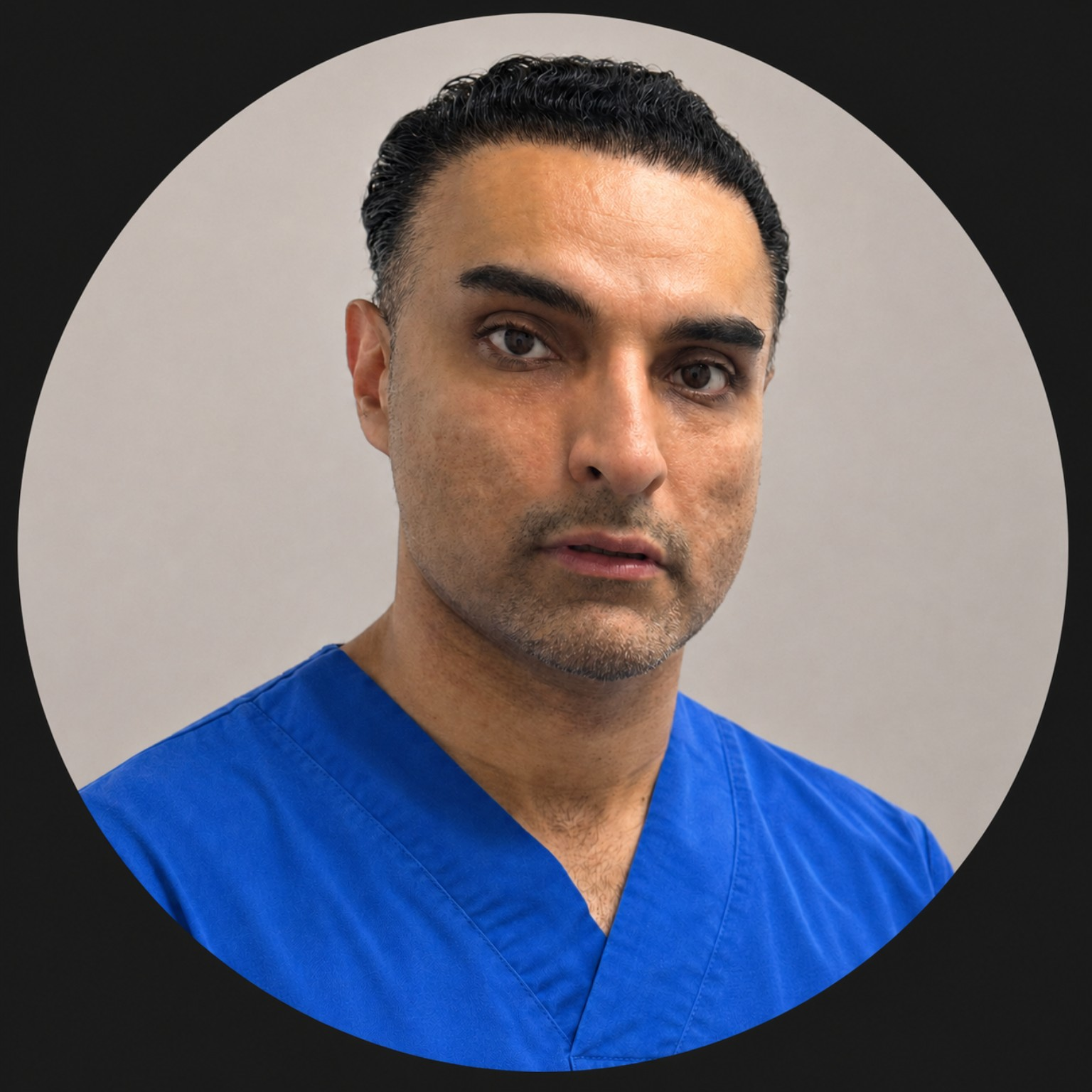
About Dr Harpreet Kalra
Dr Harpreet Kalra was born in Norway. His hair-restoration consultations consider the cause of hair loss, donor supply and the longer-term plan. UK GMC reference 7126076.
Ask about your treatment quotation
Our Denmark team can explain the proposed care, written price and current booking terms.
Request a consultation