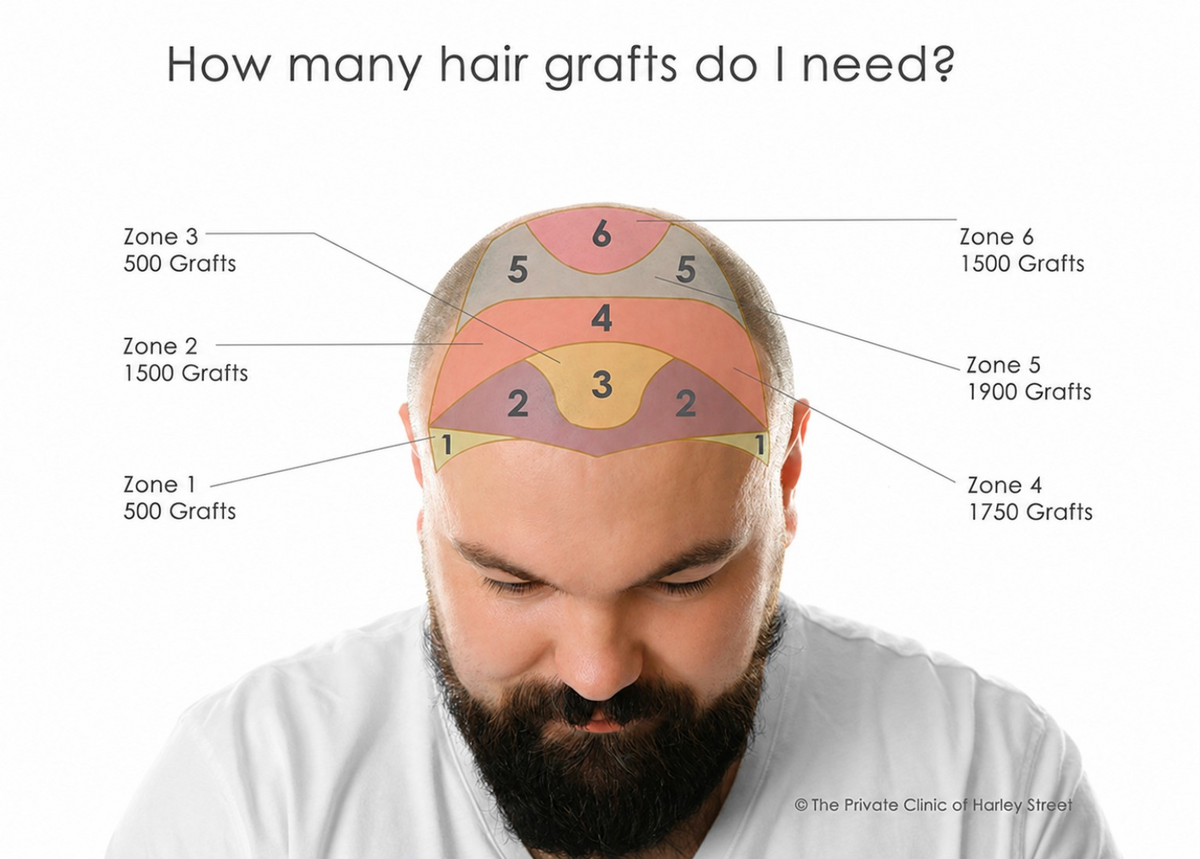

Pattern hair loss
Male pattern hair loss, or androgenetic alopecia, commonly causes gradual recession at the temples and thinning over the top or crown. Inherited factors and the response of susceptible follicles to dihydrotestosterone (DHT) are involved. It can begin after puberty, with a rate and extent that vary between individuals.
It does not necessarily mean your blood testosterone level is unusually high. Family history is useful, but it cannot predict your exact future pattern. The Danish patient guide to male hair loss explains the condition and established treatment options.
Temporary shedding
Telogen effluvium can cause increased shedding across the scalp after illness, surgery, a major stressful event or significant weight loss. It often appears several months after the trigger. Recovery can take time, and the previous volume may return more slowly than the shedding settles.
This can occur alongside pattern hair loss. A sudden shed does not necessarily show that all the loss is permanent, but it also should not be assumed to be harmless without considering the history. The BAD telogen effluvium leaflet describes the usual course.
Patchy and inflammatory causes
Alopecia areata can cause smooth patches in the scalp, beard or other areas. Scalp infection may cause scale, broken hairs, redness or tenderness. Scarring conditions can damage follicles permanently and need timely medical assessment.
Do not assign a diagnosis from the shape alone. New patches, pain, burning, crusting, discharge or a shiny area should be reviewed by a doctor. The alopecia guide explains why these conditions are assessed differently.
Pulling, breakage and other health factors
Repeated tension from tight styles can cause traction alopecia. Heat or chemical processing may damage the hair shaft and cause breakage, which is different from follicle miniaturisation. Tell the clinician about styling practices, products and any scalp irritation.
Thyroid disease, a confirmed nutritional deficiency or some medicines can also contribute to loss. Tests should follow the history and examination rather than a universal screening list. Review a suspected medicine-related change with the prescriber; do not stop prescribed treatment yourself.
What an assessment should cover
- Where the change began and how quickly it progressed.
- Whether the change is gradual thinning, shedding, breakage or distinct patches.
- Scalp symptoms and hair loss in other areas.
- Medical history, medicines, recent illness and major weight changes.
- Family history, hair-care practices and previous treatment.
Bring a short timeline and photographs taken in comparable conditions. The clinician may use magnification or arrange selected tests. A scalp biopsy or dermatology referral may be appropriate if the diagnosis is uncertain or scarring disease is suspected.
Choosing treatment after diagnosis
For suitable pattern loss, minoxidil or prescription finasteride may help retain hair or improve density, but response varies and continued use is generally needed to maintain benefit. Discuss current Danish product guidance, contraindications and adverse effects. Finasteride needs a discussion of sexual and psychiatric risks, including what symptoms require prompt advice.
Other diagnoses need their own treatment. A transplant does not treat active scalp disease or temporary shedding and does not stop surrounding natural hair from thinning. If surgery is considered, donor supply, likely future loss, risks and expectations all belong in the plan.
What to do next
Seek medical advice for unexplained, sudden, patchy or symptomatic loss. You can also ask for help if the change is affecting your wellbeing; the amount of visible loss does not determine how much support you deserve.
For Denmark restoration enquiries, contact the team about assessment and an individual written quotation in Danish kroner. Ask who will treat you, where care will happen and how follow-up works before booking. The hair loss advice hub offers further questions to prepare.
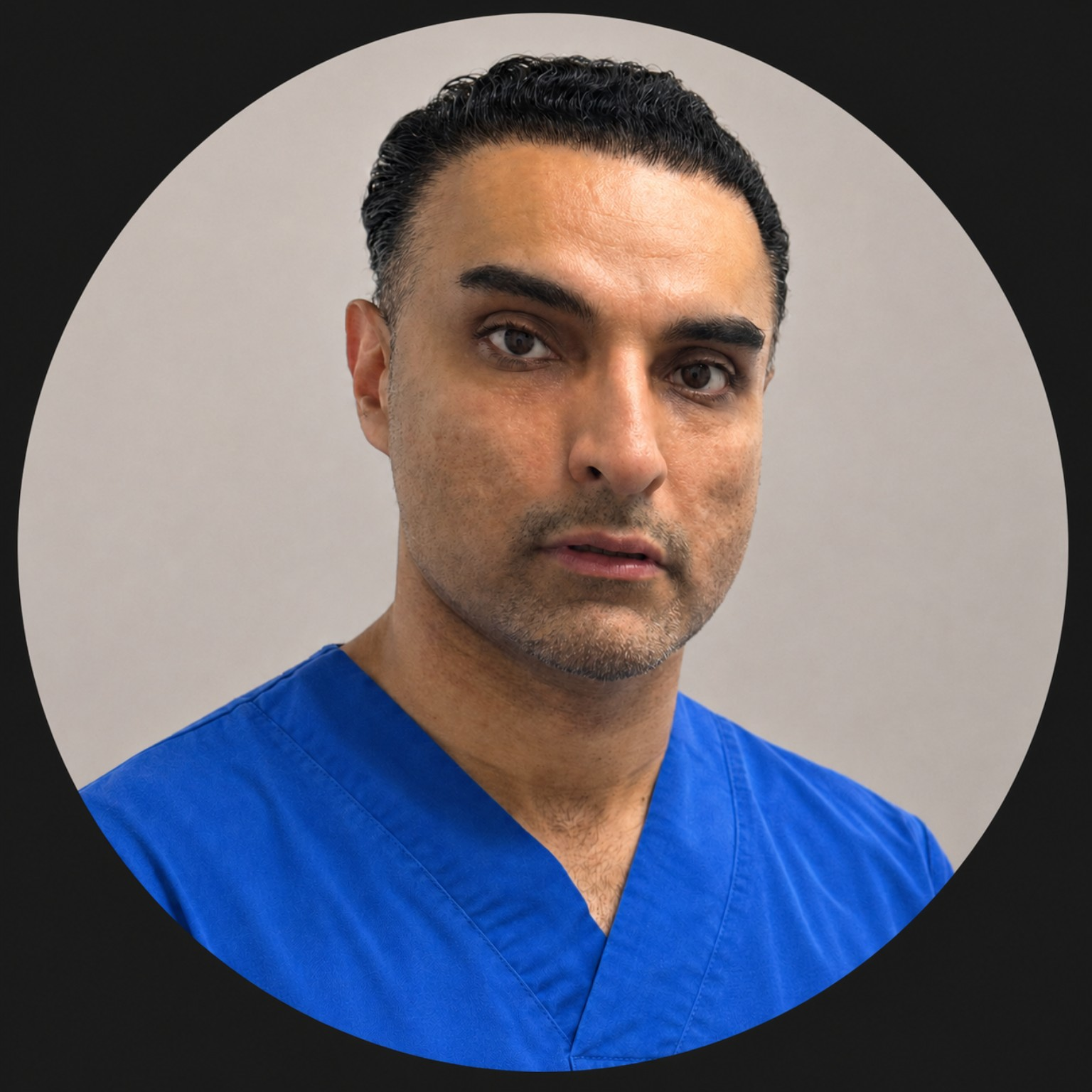
About Dr Harpreet Kalra
Dr Harpreet Kalra was born in Norway. His hair-restoration consultations consider the cause of hair loss, donor supply and the longer-term plan. UK GMC reference 7126076.
Discuss your hair-loss pattern
Contact Denmark Hair Transplant Clinics to ask about assessment and longer-term treatment planning.
Request a consultation