Types of eyebrow hair loss: causes and treatments
Eyebrow hair loss is defined as the partial or complete thinning of brow hair due to one or more underlying causes, ranging from autoimmune conditions to cosmetic damage. Clinically, the umbrella term for this is madarosis
, though the different types of eyebrow hair loss each carry distinct mechanisms, presentations, and treatment pathways. Recognising which type you have is the first step toward finding the right solution. This article covers the most common causes, what to look for, and what can be done about each one.
1. Alopecia areata and its impact on eyebrows
Alopecia areata
is an autoimmune condition in which the immune system attacks hair follicles, causing patchy hair loss. On the eyebrows, this typically presents as sudden, smooth bald patches, often roughly the size of a 50p coin. The condition can affect one or both brows and may appear without any prior warning.
In more severe cases, alopecia areata can progress to alopecia totalis, which involves total scalp hair loss, or alopecia universalis, which affects all body hair including eyebrows and eyelashes. The follicles themselves are not permanently destroyed in most cases. This means regrowth is possible, though the timeline varies considerably between patients.
Treatment focuses on controlling the immune response rather than directly stimulating growth. Dermatologists commonly use corticosteroid injections, topical immunotherapy, or oral JAK inhibitors depending on severity. Managing autoimmune hair loss means
controlling inflammation first, allowing follicles to recover naturally.
- Sudden, patchy brow loss with smooth skin at the site
- Possible simultaneous scalp or lash involvement
- Potential for spontaneous regrowth without treatment
- Medical management required for persistent or progressive cases
Pro Tip:
If you notice rapid, patchy eyebrow loss with no obvious cause, seek a dermatology referral promptly. Early diagnosis significantly improves treatment response.
2. Androgenetic alopecia affecting eyebrows
Androgenetic alopecia is the most common form of hair loss overall, driven by genetic sensitivity to dihydrotestosterone (DHT).
Follicular miniaturisation from chronic DHT exposure occurs primarily on the scalp, but the eyebrows can also be affected. The result is a gradual, progressive thinning rather than the sudden patchy loss seen in alopecia areata.
Eyebrow involvement in androgenetic alopecia is less common than scalp involvement, but it does occur, particularly in older adults. The hairs become finer over time, the brow density reduces, and the overall shape may change. Genetics is only part of the picture. Prolonged hormone effects and cosmetic damage also shape outcomes over the years.
| Feature |
Androgenetic alopecia |
Alopecia areata |
| Pattern |
Gradual, diffuse thinning |
Sudden, patchy loss |
| Cause |
DHT sensitivity and genetics |
Autoimmune attack on follicles |
| Reversibility |
Partially manageable |
Often reversible with treatment |
| Treatment focus |
Hormonal and cosmetic options |
Immune regulation |
Treatment options include topical minoxidil, which can slow progression, and cosmetic approaches such as microblading for appearance. For patients seeking a permanent solution,
DHI hair transplantation offers a minimally invasive route to restoring brow density with natural results.
3. Telogen effluvium and temporary eyebrow shedding
Telogen effluvium occurs when a significant number of hair follicles shift prematurely into the resting (telogen) phase, causing widespread shedding. Triggered by nutritional deficits, medications, or illness, this type of hair loss is usually temporary and reversible once the underlying cause is addressed. The eyebrows shed more diffusely than in alopecia areata, without the distinct bald patches.
- Major illness or surgery
- Iron deficiency or low ferritin levels
- Rapid weight loss or restrictive dieting
- Emotional or physical stress
- Medications such as antidepressants and blood pressure drugs
The good news is that telogen effluvium rarely causes permanent follicle damage. Shedding typically peaks around two to three months after the triggering event and then gradually resolves. Supportive care, including nutritional correction and stress management, accelerates recovery. Monitoring brow density over several months is the most reliable way to confirm the pattern.
4. Traction alopecia caused by mechanical stress
Traction alopecia results from repeated physical tension or trauma to the hair follicle. In the context of eyebrows, the most common cause is chronic over-plucking or waxing. Repeated over-plucking weakens follicles over time, altering the hair growth cycle and resulting in finer or absent regrowth.
The outer third of the brow is particularly vulnerable, as it is the area most frequently over-groomed. Initially, thinning is reversible if the trauma stops. With prolonged damage, however, the follicles can become permanently scarred and unable to produce hair.
- Avoid over-plucking beyond the natural brow line
- Allow at least six to eight weeks between waxing sessions
- Use threading rather than waxing if skin sensitivity is a concern
- Avoid applying strong adhesives or cosmetic products directly to the follicle
Pro Tip:
If you have been over-plucking for years and notice sparse regrowth, stop all mechanical removal for at least three months. This gives follicles the best chance to recover before you consider clinical options.
Early intervention is the key. Patients who address traction alopecia before permanent scarring occurs have a much better prognosis. For those with established follicle damage,
eyebrow restoration techniques is used in facial hair transplantation can reconstruct the brow with natural-looking results.
5. Madarosis and other less common causes
Madarosis
is the clinical term for loss of eyebrow or eyelash hair, and it serves as a diagnostic category rather than a single condition. It groups causes into inflammatory, infectious, and systemic categories, which guides the clinical approach to diagnosis and treatment.
Skin disorders
Conditions such as eczema, psoriasis, and seborrhoeic dermatitis cause inflammation around the follicle, disrupting the growth cycle. Blepharitis, an infection of the eyelid margin, can extend to affect the inner brow area. These conditions are treatable, and brow hair often recovers once the skin inflammation is controlled.
Systemic disease and thyroid imbalance
Hypothyroidism causes thinning of the outer third of the eyebrow, a presentation known as the Queen Anne sign. Thyroid hormone imbalance disrupts the hair growth cycle across both the scalp and the brows. This is one of the most clinically significant causes of outer brow thinning in adults, particularly women over 40.
| Cause category |
Examples |
Brow area affected |
| Inflammatory skin conditions |
Eczema, psoriasis, seborrhoeic dermatitis |
Diffuse or patchy |
| Infections |
Blepharitis, fungal infections |
Inner or full brow |
| Systemic disease |
Hypothyroidism, lupus, sarcoidosis |
Outer third most common |
| Medication side effects |
Chemotherapy, retinoids, anticoagulants |
Diffuse |
| Behavioural conditions |
Trichotillomania |
Irregular, asymmetric |
Behavioural causes
Trichotillomania is a compulsive urge to pull out one’s own hair, including eyebrow hair. It produces irregular, asymmetric brow loss and is managed through psychological therapy rather than dermatological treatment alone. Recognising this cause is important because cosmetic or medical treatments will not resolve the loss without addressing the underlying behaviour.
6. How to choose the right eyebrow hair loss treatment
The right treatment depends entirely on the cause. Eyebrow thinning is often multifactorial, with patients presenting overlapping contributors that require a thorough assessment before any treatment plan is agreed. A GP or dermatologist referral is the correct first step for any unexplained or progressive brow loss.
| Treatment type |
Best suited for |
Approach |
| Topical minoxidil |
Androgenetic alopecia, mild telogen effluvium |
Applied directly to brow area |
| Corticosteroid injections |
Alopecia areata |
Administered by a dermatologist |
| Nutritional supplementation |
Telogen effluvium from deficiency |
Iron, biotin, vitamin D correction |
| Hair loss medication
|
Hormonal or immune-related loss |
Prescription-based, monitored use |
| Eyebrow transplant (FUE/DHI) |
Traction alopecia, scarring, permanent loss |
Surgical restoration of follicles |
| PRP therapy |
Supportive care across multiple types |
Stimulates follicle activity |
For permanent or scarring causes of brow loss, surgical restoration using Follicular Unit Extraction (FUE) or Direct Hair Implantation (DHI) offers the most reliable long-term outcome. Glasgowhairtransplantclinics provides eyebrow transplant procedures performed by GMC-registered surgeons, with clinics across the UK including Glasgow and Newcastle. Patients considering this route can access a full treatment cost overview
before committing to a consultation.
For non-surgical options, Platelet Rich Plasma (PRP) therapy supports follicle recovery across several types of brow loss and pairs well with medical management. The 2026 UK treatment guide
from Glasgowhairtransplantclinics provides a detailed comparison of medical and cosmetic approaches for patients weighing their options.
Key takeaways
Eyebrow hair loss has multiple distinct causes, and matching the treatment to the correct type is the single most important factor in achieving regrowth.
| Point |
Details |
| Cause determines treatment |
Alopecia areata, telogen effluvium, and traction alopecia each require a different clinical approach. |
| Outer brow thinning signals thyroid issues |
The Queen Anne sign is a recognised indicator of hypothyroidism and warrants a blood test. |
| Traction alopecia is preventable |
Stopping over-plucking early prevents permanent follicle scarring in most cases. |
| Surgical options exist for permanent loss |
FUE and DHI transplants restore eyebrows where follicles are no longer active. |
| Multifactorial cases need full assessment |
Overlapping causes are common, particularly in older adults, and require comprehensive evaluation. |
What I have learned from seeing eyebrow loss up close
Eyebrow loss tends to be underestimated as a clinical concern. Patients often arrive having spent months trying cosmetic fixes, not realising the underlying cause is medical. The cases that frustrate me most are the traction alopecia patients who were never told that chronic over-plucking carries a real risk of permanent loss. That information should be standard.
The thyroid connection also catches people off guard. Outer brow thinning is one of the earliest visible signs of hypothyroidism, yet many patients are told their brows are simply “thinning with age.” A simple blood test can rule this out, and it should be the first step for anyone over 40 with progressive outer brow loss.
What I have found consistently is that eyebrow thinning in older adults involves multiple overlapping causes. Treating just one factor rarely produces a satisfying result. The patients who do best are those who address nutrition, stop mechanical damage, manage any systemic condition, and then consider clinical restoration if needed. Patience matters too. Follicle recovery takes months, not weeks, and realistic expectations make the process far less stressful.
Eyebrow restoration at Glasgowhairtransplantclinics
Glasgowhairtransplantclinics offers eyebrow transplant procedures and non-surgical treatments for patients across the UK, with clinics in Glasgow, Newcastle, and other locations. All surgeons are GMC-registered, and the clinics hold CQC and HIS registration for your peace of mind.
Whether your brow loss is caused by alopecia areata, traction damage, or a systemic condition, the team can assess your situation and recommend the most appropriate path. For patients considering surgical restoration, natural hairline results
from Glasgowhairtransplantclinics demonstrate what is achievable with experienced hands. Free consultations are available online or face to face, so you can get a clear picture of your options before making any decisions.
FAQ
What are the main types of eyebrow hair loss?
The main types are alopecia areata, androgenetic alopecia, telogen effluvium, traction alopecia, and madarosis. Each has a distinct cause and requires a different treatment approach.
Can over-plucking cause permanent eyebrow loss?
Yes. Chronic over-plucking weakens follicles over time and can permanently alter the hair growth cycle, leading to absent or finer regrowth in affected areas.
Why is only the outer third of my eyebrow thinning?
Thinning of the outer third of the eyebrow is a recognised sign of hypothyroidism, known as the Queen Anne sign. A thyroid function blood test is the recommended first step.
Is eyebrow hair loss from telogen effluvium reversible?
Yes. Telogen effluvium is usually temporary and resolves once the trigger, such as illness, nutritional deficiency, or medication, is identified and addressed.
What is the best treatment for permanent eyebrow hair loss?
For permanent or scarring eyebrow loss, Follicular Unit Extraction (FUE) or Direct Hair Implantation (DHI) transplant procedures offer the most reliable long-term restoration.
Recommended
Eyebrow loss is a symptom with several possible causes
Madarosis means loss of eyebrow or eyelash hair. It may affect one side or both, a small area or the whole brow. Some causes leave the follicles able to grow again; scarring damage may be permanent. The term does not by itself identify the condition. DermNet's clinical overview
describes the different causes and investigations.
Do not assume eyebrow thinning is ordinary scalp pattern baldness. A new or unexplained change deserves a history and examination, particularly if the eyelashes, frontal hairline or skin are also affected.
Common possibilities to discuss
- Alopecia areata:
an autoimmune form of hair loss that can involve the brows, lashes or scalp. Regrowth is possible, but the course varies.
- Skin inflammation or infection:
eczema and other conditions around the brows or eyelids can contribute to loss.
- Thyroid disease and other health changes:
outer-brow thinning can occur with thyroid disease, but that appearance alone is not a diagnosis.
- Repeated trauma:
plucking, rubbing or hair pulling can damage hair and follicles.
- Medicines or treatment:
the timing of changes should be reviewed with the prescribing team.
Why scarring causes need particular attention
Frontal fibrosing alopecia can affect the eyebrows as well as the front of the scalp. There may be redness, scale, itching or burning, but symptoms are not always present. Once follicles have been destroyed, regrowth in that area is not expected. Treatment aims to limit further loss, with variable success. The British Association of Dermatologists guide
explains the condition.
New eyebrow loss with a receding band at the frontal hairline should therefore be assessed before planning a cosmetic procedure. A sparse brow alone cannot show whether a scarring disease is active or stable.
What to bring to an appointment
Bring photographs showing the change over time and a list of medicines, supplements and brow products. Mention plucking, waxing, threading, tinting, adhesives, previous tattooing or microblading. Note whether you have itching, pain, flaking, eyelid irritation or hair loss elsewhere.
Tests should be chosen according to the findings. Not everyone needs a full hormone or vitamin panel. Ask which possible diagnosis a proposed test is intended to investigate and how the result would affect treatment.
Treatment should follow the diagnosis
Managing inflammation, infection, an autoimmune condition or a confirmed deficiency is different from disguising a sparse eyebrow. Treatment should be prescribed for the cause and the sensitive area involved. Scalp medicines should not be applied near the eyes on the basis of a general hair-loss article.
Ask a clinician before using minoxidil, prostaglandin products or steroid preparations around the brows or lashes. Product authorization, eye exposure, skin effects and pregnancy precautions all need to be considered. PRP should not be presented as a proven treatment for every type of eyebrow loss.
If repeated pulling is contributing, a supportive discussion can help identify practical and psychological treatment options. Stop unnecessary trauma while the cause is being assessed; replacing one removal method with another is not a guaranteed solution.
Cosmetic options and transplantation
Make-up or other camouflage may help with appearance while the diagnosis and treatment plan are being established. Microblading and tattooing involve skin penetration and should be discussed carefully if there is inflammation or suspected scarring disease.
An eyebrow transplant may be considered for selected stable, permanent loss with suitable donor hair. It does not treat active disease and cannot guarantee density, symmetry or graft survival. Ask about hair direction, donor-hair characteristics, trimming and other maintenance, scars and the possibility of further treatment. The eyebrow transplant guide
explains the assessment process.
For Denmark enquiries, request an individual written plan and quotation in Danish kroner. Confirm the treating clinician, treatment location and aftercare arrangements before booking.
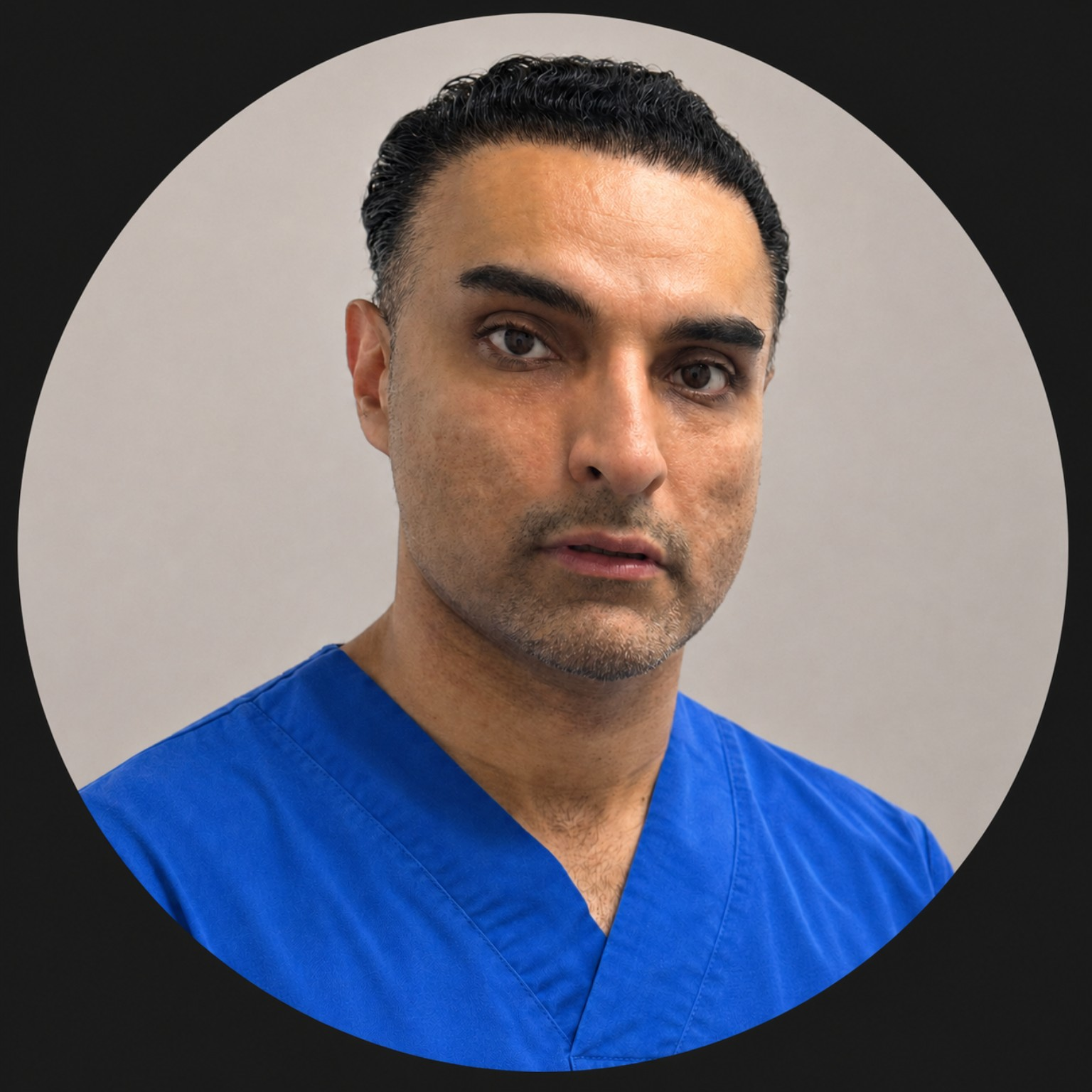
About Dr Harpreet Kalra
Dr Harpreet Kalra
was born in Norway. His hair-restoration consultations consider the cause of hair loss, donor supply and the longer-term plan. UK GMC reference 7126076.
Ask about eyebrow restoration assessment
Contact Denmark Hair Transplant Clinics to discuss your concerns and the assessment needed before treatment.
Request a consultation