A photograph is not a treatment record
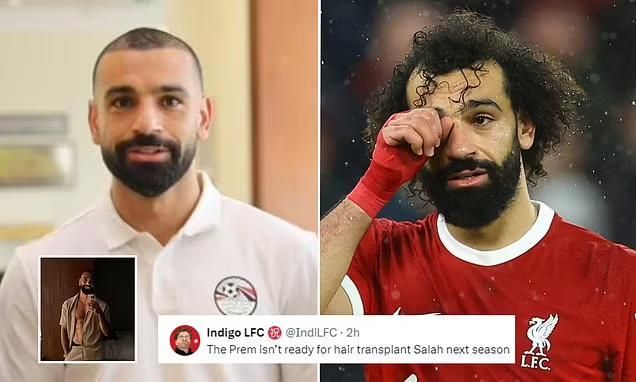
We have not established a verified first-person account or treating-clinic statement that confirms a hair transplant for Mohamed Salah. This article therefore does not assign him a procedure, clinic, graft count or treatment date.
Hair length, styling, wetness, lighting and camera angle can change how much scalp is visible. A closely shaved head is not proof of surgery, and apparent density in later photographs does not identify its cause. Repeated speculation on clinic websites does not turn an appearance-based opinion into medical evidence.
Salah is not presented here as a Denmark Hair Transplant Clinics patient or as endorsing this clinic. Any photograph accompanying this discussion is not a verified clinical before-and-after result.
What does a transplant actually involve?
Hair transplantation moves a limited supply of suitable donor follicles to selected recipient areas. FUE obtains follicular units individually. FUT obtains them from a strip of scalp that is divided into grafts. FUE leaves small extraction scars; FUT leaves a linear donor scar. Both involve surgery.
DHI commonly describes graft placement with an implanter device after extraction. An implanter pen is used for placement, not as the standard tool for harvesting donor grafts. None of these labels guarantees superior density, no pain or a scar-free result.
The NHS explanation of hair transplantation describes the methods, recovery and risks. Our patient guides cover donor planning and aftercare.
Why a footballer's appearance cannot set your plan
A useful assessment considers the cause of your hair loss, the rate of change, scalp health, donor density and hair characteristics. The surgeon also needs to consider what may happen to your remaining native hair. A transplant does not stop it from thinning.
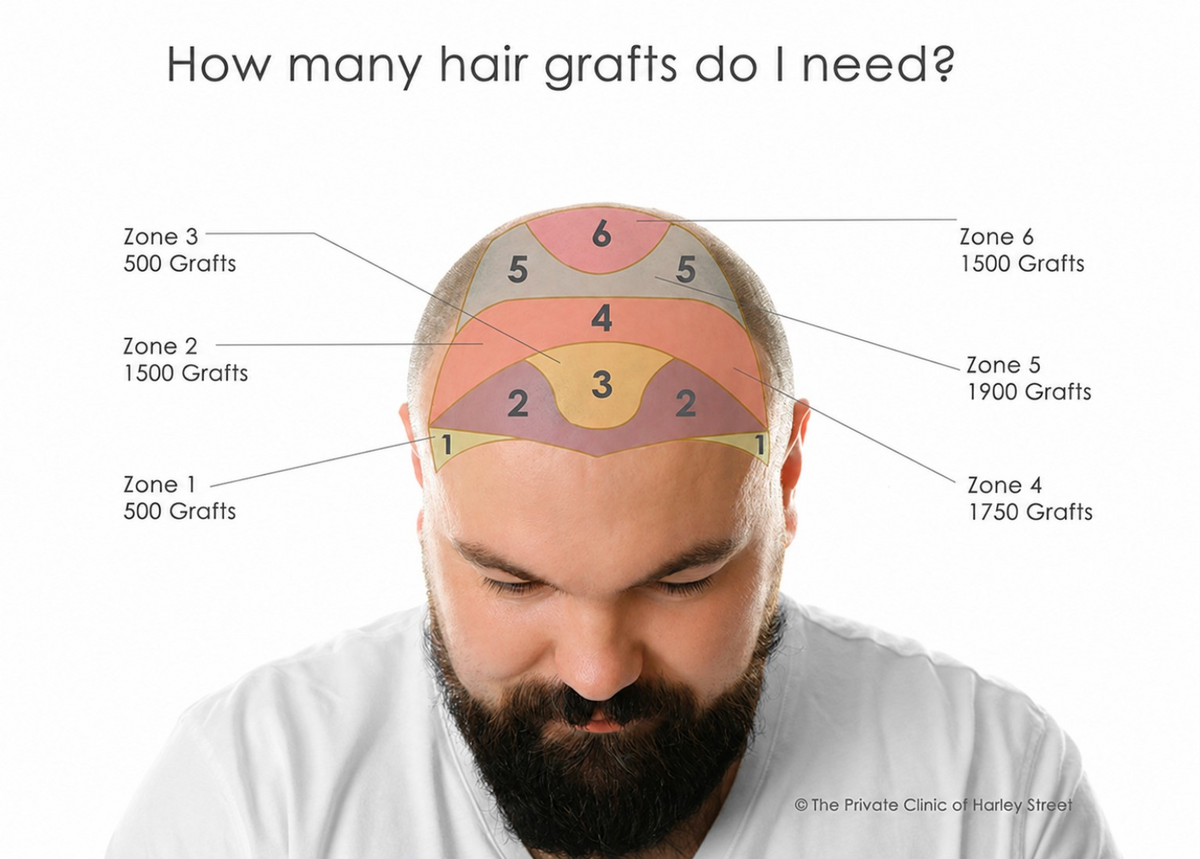
Graft numbers cannot be estimated reliably from a celebrity photograph. You also cannot infer how much donor hair remains, whether medicine is being used, or whether another procedure would be appropriate. A hairline needs to fit your facial proportions and long-term donor resources.
Recovery needs its own timetable
Healing and visible growth are different stages. A return to work or public appearances does not mean the final result has developed. Hair growth changes over months, and early shedding may occur.
Exercise, sweating, headwear and contact sport need individual instructions from the treating team. Do not copy a footballer's apparent return to training. Bleeding, infection, scarring, poor growth and an unsatisfactory result are possible risks that should be discussed before surgery.
Researching care in Denmark
For gradual thinning, seek an assessment and discuss monitoring, medical options and suitability for surgery. Sudden patches, rapid shedding or an inflamed or painful scalp need medical assessment first. The Danish patient guide to male hair loss is a useful starting point.
Ask for the responsible clinician's name, the treatment location, relevant Danish registrations and a clear aftercare plan. Costs should be set out in an individual written DKK quotation. Our cost guide explains what to check, including follow-up and possible additional treatment.
A public figure can prompt an interest in hair restoration. Your own diagnosis, preferences and realistic options should determine the decision.
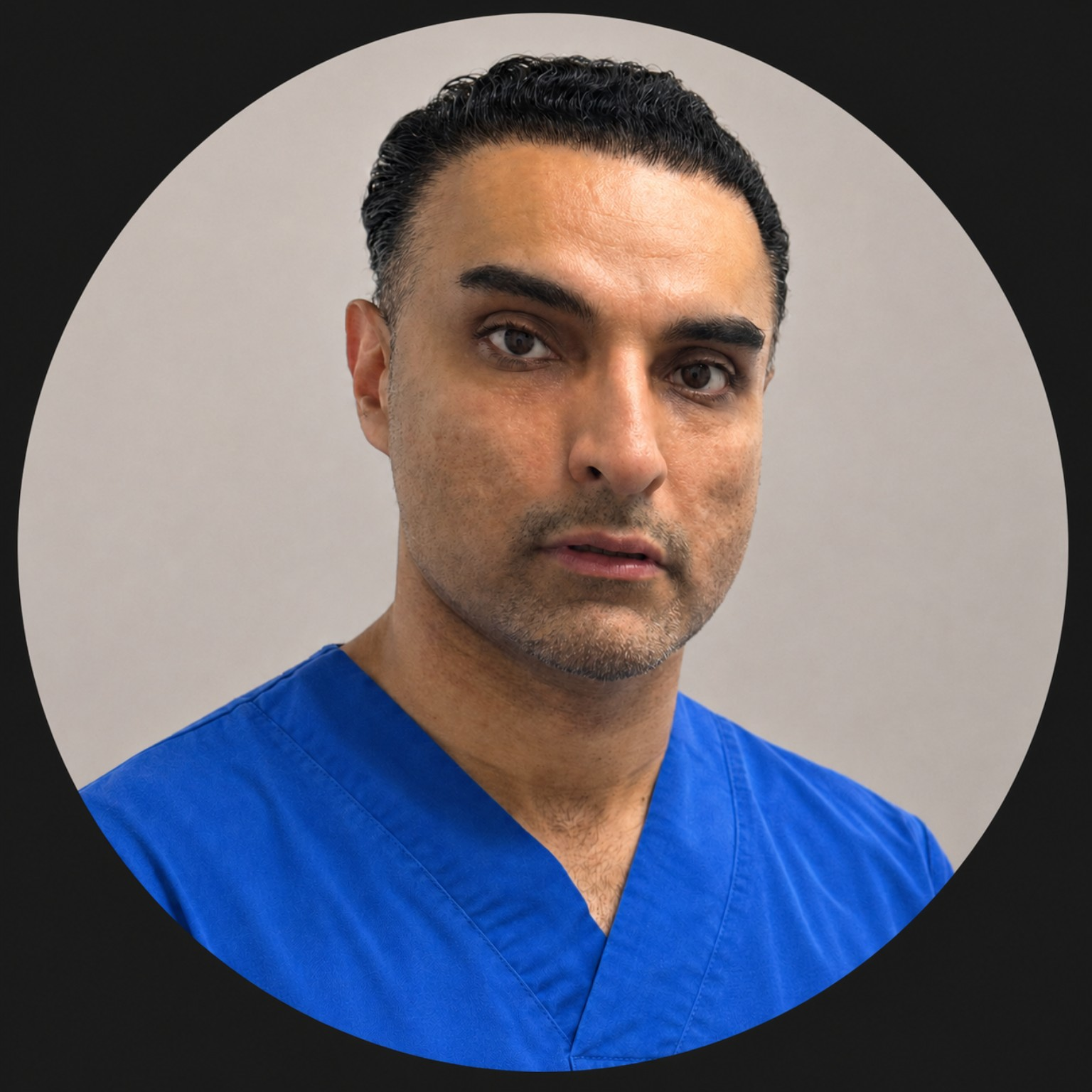
About Dr Harpreet Kalra
Dr Harpreet Kalra was born in Norway. His hair-restoration consultations consider the cause of hair loss, donor supply and the longer-term plan. UK GMC reference 7126076.
Get advice based on your own assessment
Denmark Hair Transplant Clinics can discuss the cause of your hair loss, donor limits and realistic next steps.
Request a consultation