

What is DHT and What Does it Do?
Dihydrotestosterone (DHT) is one of the primary hormones responsible for balding in men. Combined with a condition called male pattern baldness, it can be deadly for your hairline and crown. On this page, you’ll find everything you need to know about DHT: how it causes hair loss, the symptoms you should look out for, and how to prevent hair loss.
What is DHT?
Dihydrotestosterone (DHT) is a male sex hormone that controls a number of things that make men, well, masculine… It is produced by the body and causes body hair growth, broaden their shoulders, and increase their lean muscle mass.
As well as these benefits, DHT also has one major negative when it comes to hair. DHT production can, in almost half of men, increase the rate of hair loss. This is why almost half of men in the UK will suffer with hair loss by the time they are 40 years old.
When combined with a hereditary condition called male pattern baldness, DHT production in the body can cause the loss of hair follicles on the head, and scalp. When these two factors combine, hair loss usually manifests in a receding hairline and crown thinning.
There are many ways to treat DHT related hair loss. Any DHT blocker like Finasteride should help to manage the symptoms of hair loss, but there is no cure. The only “long-term” solution to the effects of DHT and male pattern baldness is an FUE Hair Transplant.
How is DHT Produced?
DHT begins its life as the hormone testosterone. From here, testosterone reacts with an enzyme called 5-alpha-reductase where it is converted into DHT.
Once DHT has been produced in the testes, it then circulates around the bloodstream until it finds androgen receptors. There are millions of androgen receptors located around your head, hence why men tend to go bald in particular ways.
DHT and Going Bald: What’s the Link?
Hair growth occurs almost everywhere on the human body. From body hair to the hair follicles on your head, they all go through the same growth cycle. However, when we begin to lose hair at a faster rate than it grows, then this is called hair loss.
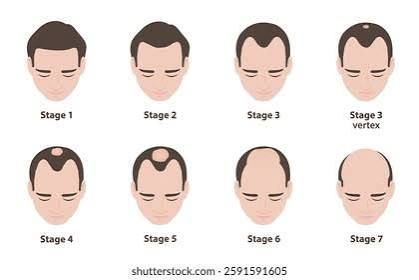
DHT related hair loss is closely related to a condition called male pattern baldness (androgenetic alopecia). This is where hair loss progresses in a patterned way; first in the temples and then in the crown area. In severe cases, this will cause a man to go fully bald on top.
How Can I Spot Symptoms of DHT related hair loss?
DHT related hair loss can be identified when examining the appearance and pattern of your hair. Common signs of DHT-related hair loss include:
- Thinning hair follicles
- Balding hair follicles
- Receding hairlines
- Brittle hair (Easy hair breakage)
Of these symptoms, the most common form of DHT related hair loss is a receding hairline. In almost all men, this is going to be the first noticeable symptom that will be experienced.
How to Prevent DHT Related Hair Loss
The best way to prevent DHT-related hair loss is to maintain a healthy lifestyle and consider medical treatment early. Prescription DHT blockers such as finasteride and dutasteride are the most clinically proven options, working by inhibiting 5-alpha reductase and reducing the amount of DHT that can reach scalp follicles. Natural alternatives, including saw palmetto and pumpkin seed oil, carry a weaker evidence base but are available without prescription.
For a full breakdown of every available option, how each one works, and which patients they suit, see our dedicated DHT blockers for hair loss guide.
Hair Transplants: Are They the Only Long Term Hair Loss Treatment?
A hair transplant is a surgical procedure that can be used to treat DHT-related hair loss. It involves taking hair from parts of the scalp where it is still growing and transplanting it to areas with thinning hair or bald patches.
Hair transplants are generally considered to be an effective treatment for DHT-related hair loss and male pattern hair loss (androgenic alopecia), but results may vary depending on the patient’s individual situation.
Whilst PRP is unable to regrow hair in areas where a patient has previously gone bald, a hair transplant will be able to regrow hair and prevent hair loss in the future. Moreover, the donor hairs chosen for your hair transplant are naturally more resistant to hair loss.
It is important to discuss the risks and benefits of a hair transplant with your doctor before making a decision. If you want to discuss a hair transplant with one of our consultants, why book a free consultation with us?
What is the Best Hair Transplant for DHT Hair Loss?
FUE offers a shorter recovery time when compared to FUT. This means that those who come to treat their DHT related hair loss will be fighting fit within 10-14 days! Furthermore, FUE does not leave patients with any lifelong scars, as is the case with FUT.
Conclusion
DHT related hair loss is a condition that affects men and women across the UK. When combined with a condition called androgenic alopecia, it can cause irreversible hair loss that can only be treated with a hair transplant.
After your fue hair transplant, we definitely recommend that patients persist with a course of finasteride as this will help to prevent further hair loss from occurring.
If you are interested in having a hair transplant to treat your DHT related hair loss, don’t hesitate to book your free consultation today.