


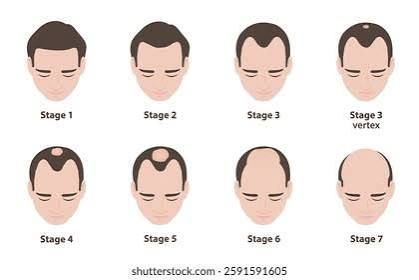
Hair transplants are designed to be permanent. The transplanted follicles are genetically resistant to DHT, meaning they continue to grow for a lifetime in most patients. However, surrounding native hair can continue to thin, which is why combining a transplant with medication is recommended.
Overview
A hair transplant surgery not only looks to reverse hair loss symptoms but encourages new hair growth for years to come. The “typical” life cycle of a hair transplant is around 10 years. However, with an exceptional aftercare routine, there is no reason why your hair transplant result can’t last longer!
Are Hair Transplants Permanent?
The transplanted hair that is taken from the donor area of a person’s scalp is permanent as those hair follicles are harvested from the area where hair is resistant to the hair loss hormone of DHT. This means that the hair will retain it’s biological characteristics and continue to be resistant to miniaturisation and shrinking caused by DHT even though it has been placed in the area where hair loss occurs. This makes the transplanted hair permanent as donor area hair is typically kept throughout a person’s life.
However that transplanted hair is the only hair that is permanent post procedure. The procedure does not change the genetics of a person and so the pre-existing hair that is on the top of their head could still be lost depending on their genetic predisposition to how sensitive their androgen receptors on their follicles are to DHT. This is the reason why we recommend hair loss medication to patients post hair transplant in order to prevent any further hair loss and try and minimise the shock loss of existing hairs surrounding the transplanted ones.
How Long Do Hair Transplants Last For?
One of the first questions many patients ask when they’re considering having a hair transplant is how the result is going to look and how long it is going to last. Every day, we answer your enquiries, emails, and calls about these questions, or similar!
The truth is, there’s no easy answer to any of these questions and there is no “general rule of thumb” or “blanket response” when it comes to talking about how long the result of your hair transplant surgery is going to look or last.
If you google “how long does a hair transplant last”, you will be met with a series of responses that generally say “a hair transplant procedure may last for 10 years” or “a hair transplant result can last a lifetime”.
It’s important to take notice of the language used here. Words often used such as “may”, “can”, and/or “might” may at first seem unconvincing to those considering a hair transplant surgery. That being said, what language like this uncovers is that no two patients are ever the same, these procedures do come with risks, and there are benefits and drawbacks to having a hair transplant procedure.
What are the Positives and Disadvantages of Having a Hair Transplant?
The obvious positive of having a hair transplant is that it enables a patient to reverse signs of hair loss and achieve natural-looking results. Moreover, a hair transplant procedure offers the longest term solution when compared to other hair loss treatments such as (hair loss medication, PRP therapy etc). This helps to improve a patient’s self-confidence and body image.
At the same time, one potential downside of a hair transplant is that an aftercare routine is required if a patient is looking to prevent further hair loss. Although a hair transplant aftercare routine is very simple and cheap to use, it is a vital part of the process that must be taken into account if you are considering a hair transplant.
But consider this! If you’re looking to invest your hard-earned money into a treatment like a hair transplant, then you must first consider the hair transplant cost as well as the aftercare routine at the same time as the procedure itself.
The reality is that a hair transplant is an investment into reversing your signs of hair loss and further treatments, like finasteride or minoxidil, are an investment into preventing further hair loss from occurring.
Does Hair Transplant Method Affect How Long My Result Will Last?
No, the hair transplant method you choose will not have any bearing on how long your result will last. The only factors that may be affected is when it comes to recovery time in the first year after your hair transplant.
Methods such as DHI and the FUE hair transplant work by taking donor hair follicles, one by one, from the back and sides of the head and implanting them into the affected area. The benefit of extracting individual hair follicles is that it leaves no long-term scar after a surgery.
Patients who opt for DHI (Direct Hair Implantation) and FUE hair transplants (follicular unit extraction) usually see initial scarring heal within 14 days give or take and their final result comes to fruition by months 12 to 18.
Follicular Unit Transplantation (FUT) looks to excise a linear strip of skin from the back of the head, extract hair follicles from the strip and implant them into the desired area. While transplanted hair follicles will look the same as with DHI or FUE hair transplants, FUT patients will be left with a life-long linear strip scar in their donor area.
So, differences in hair transplant methods will not affect how long transplanted follicles are likely to last in the recipient area. The main difference between hair transplant methodology will be whether a patient is left with a donor area scar, or not.
Extraneous Factors That Can Affect Hair Transplant Results
While a hair transplant is the most effective way to reduce signs of hair loss and improve the appearance of your hairline and/or crown, there are some extraneous factors which may affect the rate at which a patient’s hair loss after surgery.
Clinic and Surgeon Choice
By choosing a reputable clinic, you are opting for experienced hair transplant surgeons who have performed thousands of procedures, you are leaving very little to chance when it comes to your surgery result.
If you choose a qualified and experienced surgeon, you’re investing in the following elements:
- You are ensuring that your transplanted hair follicles are properly positioned. This means you’re attaining natural-looking results to your transplanted hair follicles. This negates the need for a corrective hair transplant surgery in the future.
- You will be provided with a better aftercare package. Choosing a reputable clinic will guarantee that your chosen clinic cares about you! Hair transplantation surgery often comes with many questions and queries. At Denmark Hair Transplant Clinics, we recognise that! That’s why we arrange 4 post-surgery consultations in the year after your surgery. This helps to ensure you are following aftercare instructions and that we can answer any questions you may have about your surgery.
- You will be provided with reliable aftercare information. A clinic focusing on a great result will provide you with all the information you need to be looking great for years! Transplanted hairs need a bit of TLC in the first year after your surgery, so being informed and recommended hair growth medications (like finasteride or dutasteride) and being told about hair growth therapies (such as PRP, LLLT, and Micro-needling), will only improve your results in the years to come!
Patient Age
One factor that may affect the chances of suffering from hair loss after a hair transplant is the patient’s age. Younger patients may be susceptible to further hair loss after a hair transplant.
This is not related to the hair transplant itself. Rather, it is merely a symptom of age and genetic medical conditions such as male pattern baldness or female pattern baldness (androgenetic alopecia).
To negate the need for a second hair transplant in later years, younger patients are often offered DHT-blocking medication (finasteride or dutasteride). This helps to prevent hair loss after a hair transplant and negates the need for a follow-up surgery 10 to 15 years after an initial hair transplant procedure.
Patient Hairstyle
After a hair transplant, something to consider is a hairstyle that will not likely lead to further hair loss. Allowing your hair to grow naturally and will reduce the chances of a condition called traction alopecia.
Traction alopecia occurs when the hair follicles are pulled from the dermic layer (skin) through uncomfortable hair styling processes. Hairstyles such as dreadlocks, tight ponytails, and plats all increase your risk of traction alopecia and can lead to TA cases with visible bald areas on the scalp.
Making sure you choose a hairstyle that will not upset your transplanted hair follicles will mean that hair restoration surgery is a permanent solution to your hair loss.
What Does a Hair Transplant Look Like After 10 Years ?
As long as the original hairline design for example was done in a natural way, the hair transplant after 10 years should look completely natural still. This is, as discussed above, down to the biology of donor area follicles being resistant to hair fall caused by DHT.
For patients that have maintained their results with medication, their density at the 10 year mark is typically close to the 9-10 month result of their transplant. This is because the hair loss medication slows down the hair loss process considerably but not fully, so some level of thinning will have occurred.
The area to pay attention to throughout those 10 years is hair in the native area surrounding the transplanted hair. Androgenetic alopecia is a progressive condition and without DHT-blocking medication such as dutasteride or finasteride, the contrast between permanent transplanted hair and thinning native hair can become more noticeable over time.