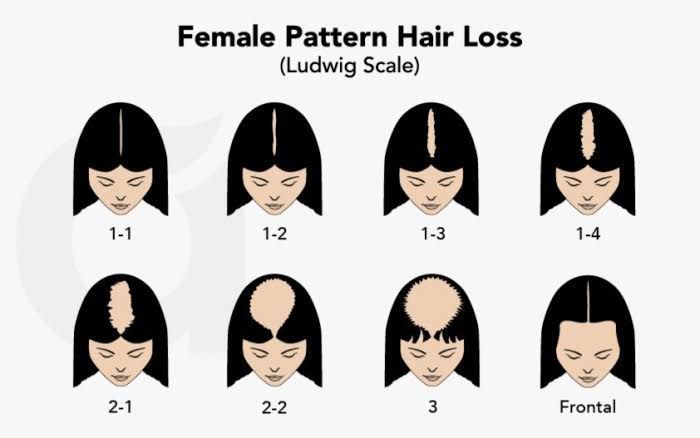
Hair loss in women is a medical condition where the scalp sheds hair at a faster rate than it grows back, resulting in visible thinning, reduced density, or bald patches across the head. Millions of women in the UK experience varying degrees of hair loss at different stages of life, from teenage years through menopause and beyond. In the United Kingdom, 8 million women and 6.5 million men suffer from hair loss, according to the research “Hair Loss: Causes, Types, and Other Facts,” by the National Council on Aging, December 17, 2025. The physical impact includes noticeable scalp exposure, widening of the hair part, and a measurable reduction in hair volume. The emotional and psychological toll runs deep beyond appearance, with studies linking female hair loss to increased rates of anxiety, depression, and diminished self-confidence.
Women with hair loss report greater emotional distress than men experiencing the same condition, highlighting the unique psychological burden women carry, according to the research “Psychological Effects of Androgenetic Alopecia on Women” by Dr. Vera H. Price, published in 1993. Understanding the root cause is the first step toward managing the condition effectively, as triggers range from hormonal shifts and nutritional deficiencies to autoimmune disorders and hereditary factors. The condition is medically recognised, treatable, and reversible when addressed early. Denmark Hair Transplant Clinics provides structured diagnostic and treatment pathways tailored specifically to female patients experiencing progressive hair loss.